
Introduction
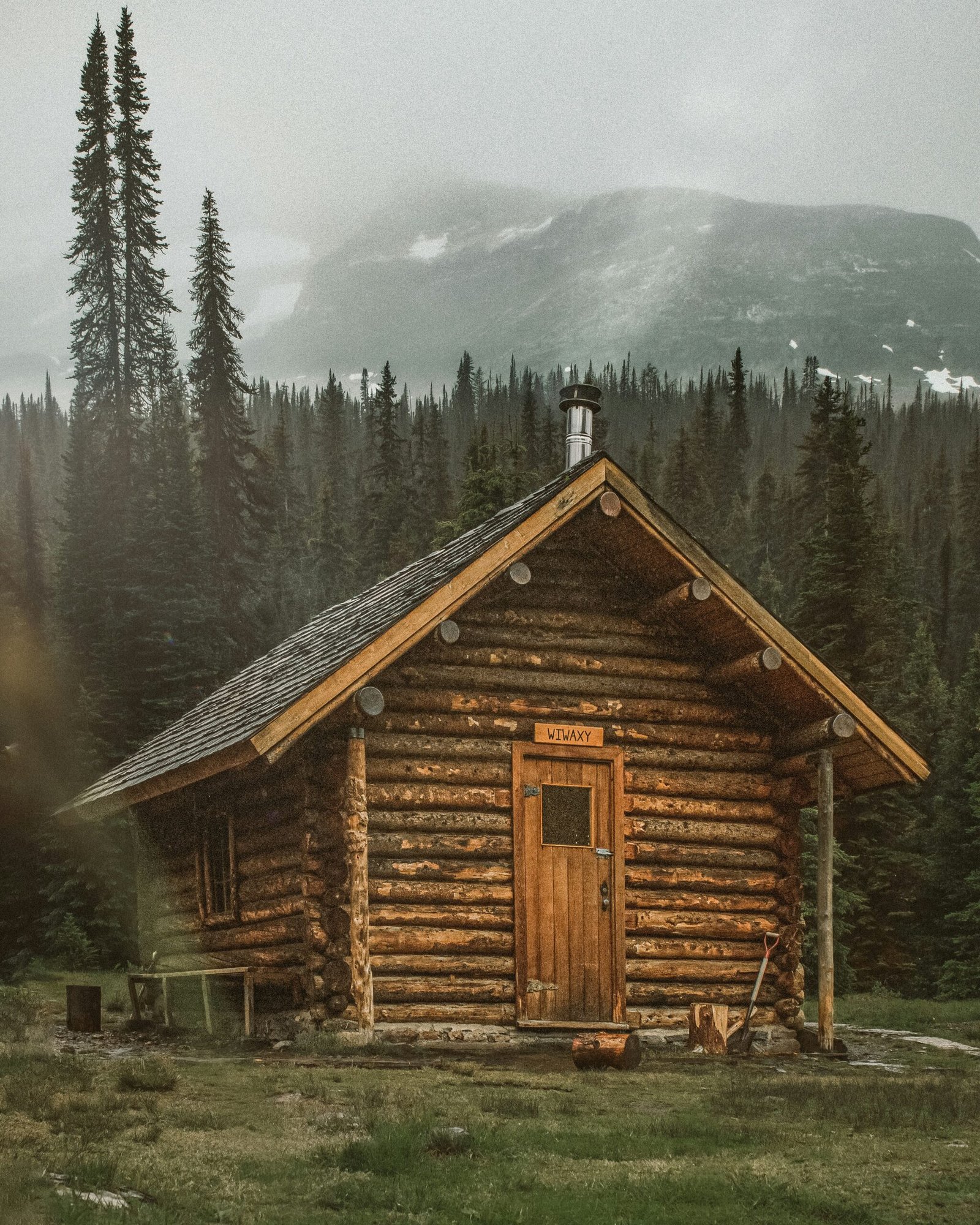
The dream of owning a little cabin has captured the imagination of homeowners, travelers, outdoor enthusiasts, and minimalists for generations. Whether nestled in the mountains, hidden in the woods, overlooking a lake, or situated on a peaceful countryside property, a little cabin offers a unique blend of simplicity, comfort, and connection with nature.
In today’s fast-paced world, many people are embracing smaller living spaces that prioritize functionality, affordability, and relaxation. Little cabins have become increasingly popular as vacation homes, guest houses, hunting retreats, rental properties, remote workspaces, and even full-time residences.
Despite their compact size, little cabins can be designed to feel warm, spacious, and inviting. With smart layouts, efficient storage solutions, natural materials, and cozy decor, a small cabin can provide everything needed for comfortable living.
This comprehensive guide explores little cabin ideas, design styles, construction considerations, decorating tips, and ways to maximize every square foot.
What Is a Little Cabin?
A little cabin is a small residential or recreational structure typically built using natural materials such as wood and stone.
Little cabins are often characterized by:
- Compact floor plans
- Rustic charm
- Natural surroundings
- Cozy interiors
- Efficient use of space
- Simplified living
Cabins may range from tiny one-room retreats to multi-room structures designed for extended stays.
Why Little Cabins Are So Popular
The popularity of little cabins continues to grow worldwide.
Simplicity
Many people appreciate the simplicity and slower pace associated with cabin living.
Affordability
Smaller structures generally cost less to build and maintain.
Nature Connection
Cabins encourage outdoor living and appreciation of natural surroundings.
Reduced Maintenance
Less square footage means fewer cleaning and upkeep responsibilities.
Escape from Urban Life
Cabins provide peaceful retreats away from busy cities.
Benefits of Owning a Little Cabin
Little cabins offer numerous advantages.
Lower Construction Costs
Building a smaller structure typically requires fewer materials.
Energy Efficiency
Compact spaces are easier and less expensive to heat and cool.
Cozy Atmosphere
Smaller interiors naturally feel warm and inviting.
Flexible Uses
Cabins can serve as:
- Vacation homes
- Guest houses
- Rental properties
- Home offices
- Artist studios
- Hunting lodges
Increased Property Value
Well-designed cabins can enhance the value of rural properties.
Popular Little Cabin Styles
There are many design styles available.
Rustic Log Cabin
The traditional log cabin remains highly popular.
Features include:
- Exposed logs
- Stone fireplaces
- Natural wood interiors
- Rustic furnishings
Modern Cabin
Modern cabins combine contemporary design with natural materials.
Characteristics include:
- Large windows
- Clean lines
- Open floor plans
- Minimalist interiors
Scandinavian Cabin
Scandinavian-inspired cabins emphasize simplicity and functionality.
Common features include:
- Light wood tones
- Neutral colors
- Cozy textiles
- Efficient layouts
Farmhouse Cabin
Farmhouse cabins combine country charm with modern comfort.
Choosing the Perfect Location
Location plays a major role in cabin enjoyment.
Mountain Settings
Mountain cabins provide stunning views and outdoor recreation opportunities.
Lakeside Locations
Waterfront cabins offer peaceful scenery and recreational activities.
Forest Retreats
Wooded settings create privacy and natural beauty.
Countryside Properties
Rural locations provide tranquility and open space.
Little Cabin Floor Plan Ideas
Smart floor plans maximize functionality.
Open Concept Layouts
Combining living, dining, and kitchen areas creates a spacious feeling.
Loft Bedrooms
Lofts increase usable space without expanding the footprint.
Multi-Purpose Rooms
Flexible spaces improve efficiency.
Built-In Storage
Integrated storage solutions reduce clutter.
Designing a Cozy Cabin Interior
Interior design greatly influences comfort.
Natural Materials
Wood remains the defining material of cabin interiors.
Popular options include:
- Pine
- Cedar
- Oak
- Reclaimed wood
Warm Color Palettes
Earth tones create a welcoming atmosphere.
Popular colors include:
- Brown
- Cream
- Green
- Gray
Layered Textures
Soft textiles enhance comfort.
Examples include:
- Wool blankets
- Area rugs
- Linen curtains
- Knit throws
Cabin Living Room Ideas
The living room often serves as the heart of the cabin.
Stone Fireplaces
Fireplaces create warmth and become focal points.
Comfortable Seating
Choose furniture designed for relaxation.
Natural Lighting
Large windows bring the outdoors inside.
Rustic Decor
Decorative accents add personality and charm.
Small Cabin Kitchen Ideas
Efficient kitchens are essential in little cabins.
Compact Appliances
Smaller appliances conserve valuable space.
Open Shelving
Shelving creates visual openness.
Multi-Functional Furniture
Flexible furniture improves usability.
Natural Materials
Wood cabinetry enhances cabin aesthetics.
Little Cabin Bedroom Ideas
Bedrooms should emphasize comfort and relaxation.
Loft Sleeping Areas
Lofts maximize floor space.
Cozy Bedding
Layered bedding creates warmth.
Minimal Furniture
Avoid overcrowding small rooms.
Nature-Inspired Decor
Natural themes enhance the cabin experience.
Little Cabin Bathroom Design
Small bathrooms can still feel luxurious.
Space-Saving Fixtures
Compact fixtures improve functionality.
Natural Finishes
Wood and stone create rustic elegance.
Efficient Storage
Built-in storage maximizes organization.
Proper Lighting
Good lighting improves comfort and usability.
Outdoor Living Spaces
Outdoor areas expand living space.
Covered Porches
Porches provide comfortable gathering spaces.
Fire Pits
Fire pits encourage outdoor relaxation.
Outdoor Dining Areas
Meals feel more enjoyable in natural surroundings.
Scenic Seating Areas
Position seating to take advantage of views.
Decorating a Little Cabin
Thoughtful decor enhances the atmosphere.
Vintage Accessories
Antique items add character.
Nature-Inspired Artwork
Outdoor themes complement cabin settings.
Handmade Decor
Crafted items create authenticity.
Seasonal Decorations
Seasonal accents keep spaces fresh and inviting.
Little Cabin Storage Solutions
Storage is critical in small spaces.
Under-Bed Storage
Utilize unused space efficiently.
Built-In Cabinets
Custom cabinetry maximizes organization.
Wall-Mounted Shelving
Vertical storage conserves floor space.
Hidden Compartments
Creative storage improves functionality.
Sustainable Little Cabin Ideas
Many homeowners prioritize sustainability.
Solar Power
Solar systems reduce energy dependence.
Rainwater Collection
Water harvesting improves self-sufficiency.
Reclaimed Materials
Recycled materials reduce environmental impact.
Energy-Efficient Design
Efficient insulation lowers utility costs.
Little Cabin as a Vacation Rental
Cabins can generate income through short-term rentals.
Benefits include:
- Additional revenue
- High demand in scenic areas
- Flexible ownership
- Investment potential
Popular amenities improve guest satisfaction.
Budget-Friendly Little Cabin Ideas
Creating a cabin doesn’t require a massive budget.
DIY Construction
Owner-built projects reduce labor costs.
Simple Designs
Basic layouts minimize expenses.
Reclaimed Materials
Recycled materials provide affordability and character.
Gradual Improvements
Upgrade the cabin over time.
Current Little Cabin Trends
Several trends continue shaping cabin design.
Tiny Cabin Living
Smaller footprints continue growing in popularity.
Remote Work Cabins
Many people use cabins as peaceful home offices.
Luxury Small Cabins
Compact cabins now feature premium amenities.
Smart Technology
Technology improves comfort and convenience.
Sustainable Building
Eco-friendly practices remain highly desirable.
Common Mistakes to Avoid
Poor Space Planning
Efficient layouts are essential.
Insufficient Storage
Storage shortages quickly create clutter.
Inadequate Insulation
Proper insulation improves comfort year-round.
Overdecorating
Simple designs often work best.
Ignoring Outdoor Space
Exterior areas are valuable extensions of the cabin.
Why People Love Little Cabins
Little cabins offer something increasingly rare in modern life: simplicity.
They encourage:
- Relaxation
- Connection with nature
- Quality family time
- Mindful living
- Personal reflection
Many people find cabins provide a welcome escape from daily stress.
Conclusion
A little cabin represents far more than a small building. It symbolizes simplicity, comfort, freedom, and a deeper connection with nature. Whether used as a weekend retreat, vacation rental, home office, guest house, or full-time residence, a well-designed cabin can provide exceptional comfort and functionality within a compact footprint.
From rustic log cabins and modern minimalist retreats to cozy lakeside cottages and woodland hideaways, there are endless possibilities for creating a cabin that reflects your lifestyle and personal preferences. With thoughtful planning, efficient design, and attention to detail, even the smallest cabin can feel spacious, inviting, and unforgettable.
As more people embrace simpler and more intentional living, little cabins continue to inspire homeowners seeking beauty, tranquility, and a place to truly unwind.