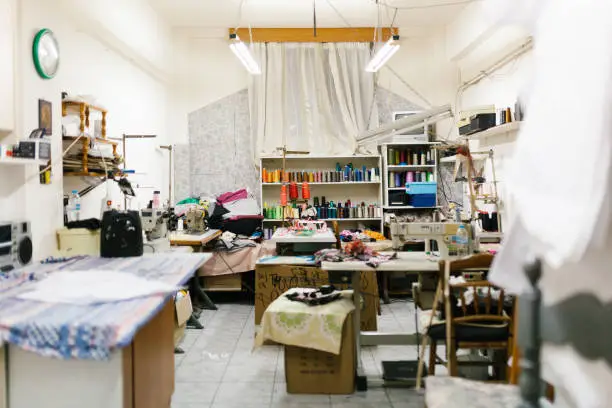
🧵 Introduction: My Happy Place (and Slight Chaos Zone)
Let me guess… you started sewing for fun, and suddenly your supplies took over your entire house. One minute you had a small kit, and the next minute you had fabric in places you didn’t even know existed.
That’s exactly why I created my sewing room. I needed a space where everything stayed organized, accessible, and honestly… a little inspiring. Because let’s face it, sewing on a messy table kills motivation fast.
So if you want to design a functional, stylish, and productive sewing room, stick with me. I’ll walk you through everything I learned, including a few mistakes I’d rather not repeat.
🪡 Why You Need a Dedicated Sewing Room
You might think, “Do I really need a whole room for sewing?” Short answer… yes.
💡 The Real Benefits
- Better focus and productivity
- Organized tools and materials
- Creative environment
When I started sewing in random corners, I wasted time setting up and packing away. Once I had a dedicated space, everything changed.
Ever tried finding your scissors when you need them most? Exactly.
🏠 Choosing the Perfect Space
📏 Size Doesn’t Matter (As Much As You Think)
You don’t need a huge room. You just need a smart layout.
You can use:
- A spare bedroom
- A corner of your living room
- Even a small nook
The key is organization, not size.
🌞 Lighting Is Everything
Good lighting makes a massive difference.
Natural light works best. Place your sewing table near a window if possible.
Add:
- Task lighting
- LED desk lamps
Ever tried threading a needle in poor light? It feels like a punishment.
🪑 Sewing Table Setup That Works
🧵 The Heart of My Sewing Room
Your table setup determines how comfortable your sewing experience feels.
Look for:
- A sturdy surface
- Enough space for fabric
- Comfortable height
I once used a wobbly table. Every stitch felt like a gamble. Never again.
📐 Ideal Table Layout
Keep it simple:
- Machine in the center
- Tools within arm’s reach
- Extra space for cutting
Efficiency matters more than aesthetics here.
✂️ Organizing Sewing Tools and Supplies
🧺 Smart Storage Solutions
Let’s talk about the real challenge… storage.
Here’s what works:
- Clear containers for small items
- Drawer organizers for tools
- Wall racks for thread spools
I switched to clear boxes, and suddenly I stopped buying duplicates. Who knew visibility could save money?
🧵 Must-Have Storage Items
- Thread holders
- Fabric bins
- Pegboards
- Rolling carts
Everything needs a place. Otherwise chaos wins.
🧶 Fabric Storage Ideas
📦 Keep Your Fabric Under Control
Fabric piles grow fast. Like… scary fast.
Here’s how I manage mine:
- Fold fabric neatly
- Store by color or type
- Use labeled bins
Ever bought fabric and forgot you already had it? Happens more than you think.
🎨 Display vs Hidden Storage
You can:
- Display pretty fabrics
- Hide bulk storage
IMO, a mix of both works best. It keeps your room inspiring without looking messy.
💡 Lighting Hacks for Sewing Room
✨ Layer Your Lighting
You need more than one light source.
Use:
- Overhead lighting
- Task lighting
- Accent lighting
Layered lighting reduces eye strain.
🔍 Focus Lighting for Detail Work
Use adjustable lamps for close work.
Trust me, your eyes will thank you later.
🎨 Designing a Creative Sewing Room
🌈 Colors That Inspire
Your sewing room should feel motivating.
Go for:
- Light neutral tones
- Soft pastels
- Pops of color
I painted one wall a soft blue. It instantly made the space feel calmer.
🖼️ Add Personal Touches
Decor matters more than you think.
Add:
- Inspiration boards
- Artwork
- Fabric samples
Ever noticed how a beautiful space makes you want to work more? That’s the goal.
🪑 Comfortable Seating Matters
🛋️ Don’t Ignore Your Chair
You spend hours sewing. Comfort matters.
Look for:
- Adjustable height
- Good back support
- Cushioning
I learned this the hard way after a long sewing session left me feeling like a broken robot.
🧠 Workflow Optimization in My Sewing Room
🔄 Create a Smooth Workflow
Set up your room for efficiency.
Divide into zones:
- Cutting area
- Sewing area
- Storage area
This setup saves time and reduces frustration.
⏱️ Save Time with Smart Placement
Keep frequently used tools close.
Ask yourself: “Do I reach for this often?”
If yes, keep it within arm’s reach.
🧰 Essential Tools for a Sewing Room
🧵 Must-Have Items
Let’s keep it practical.
- Sewing machine
- Scissors
- Measuring tape
- Pins and needles
- Iron
These basics make everything easier.
⚖️ Optional but Helpful Tools
- Rotary cutter
- Cutting mat
- Dress form
IMO these tools improve efficiency but aren’t mandatory.
🧹 Keeping Your Sewing Room Clean
🧼 Stay Ahead of the Mess
Sewing creates mess. No surprise there.
Control it with:
- Regular cleanup
- Trash bin nearby
- Fabric scrap box
I clean for 5 minutes after each session. It saves hours later.
🚫 Common Sewing Room Mistakes
Let’s avoid some headaches.
❌ What Not to Do
- Overcrowding your space
- Poor lighting
- Ignoring comfort
- Lack of organization
I made all of these mistakes at some point. Learn from me.
💡 Small Sewing Room Ideas
📏 Make the Most of Limited Space
Got a small space? No problem.
Try:
- Foldable tables
- Wall storage
- Multi-purpose furniture
Smart design beats large space every time.
🌟 Personal Hacks That Changed Everything
🧠 My Favorite Tricks
Here are a few hacks I swear by:
- Keep a small trash bin nearby
- Use magnetic strips for tools
- Label everything
FYI labeling saves more time than you expect 🙂
🧵 Conclusion: Create a Space You Love
So here’s the truth about my sewing room. It’s not perfect. It’s not always tidy. But it works.
Let’s recap:
- Choose a functional space
- Organize tools and fabric
- Focus on lighting and comfort
- Create a smooth workflow
And most importantly… make it yours.
Because your sewing room isn’t just a workspace. It’s where ideas come to life.
So go ahead, set up your space, start your next project, and enjoy the process. And if your fabric pile grows again… well, that’s just part of the journey 😄