
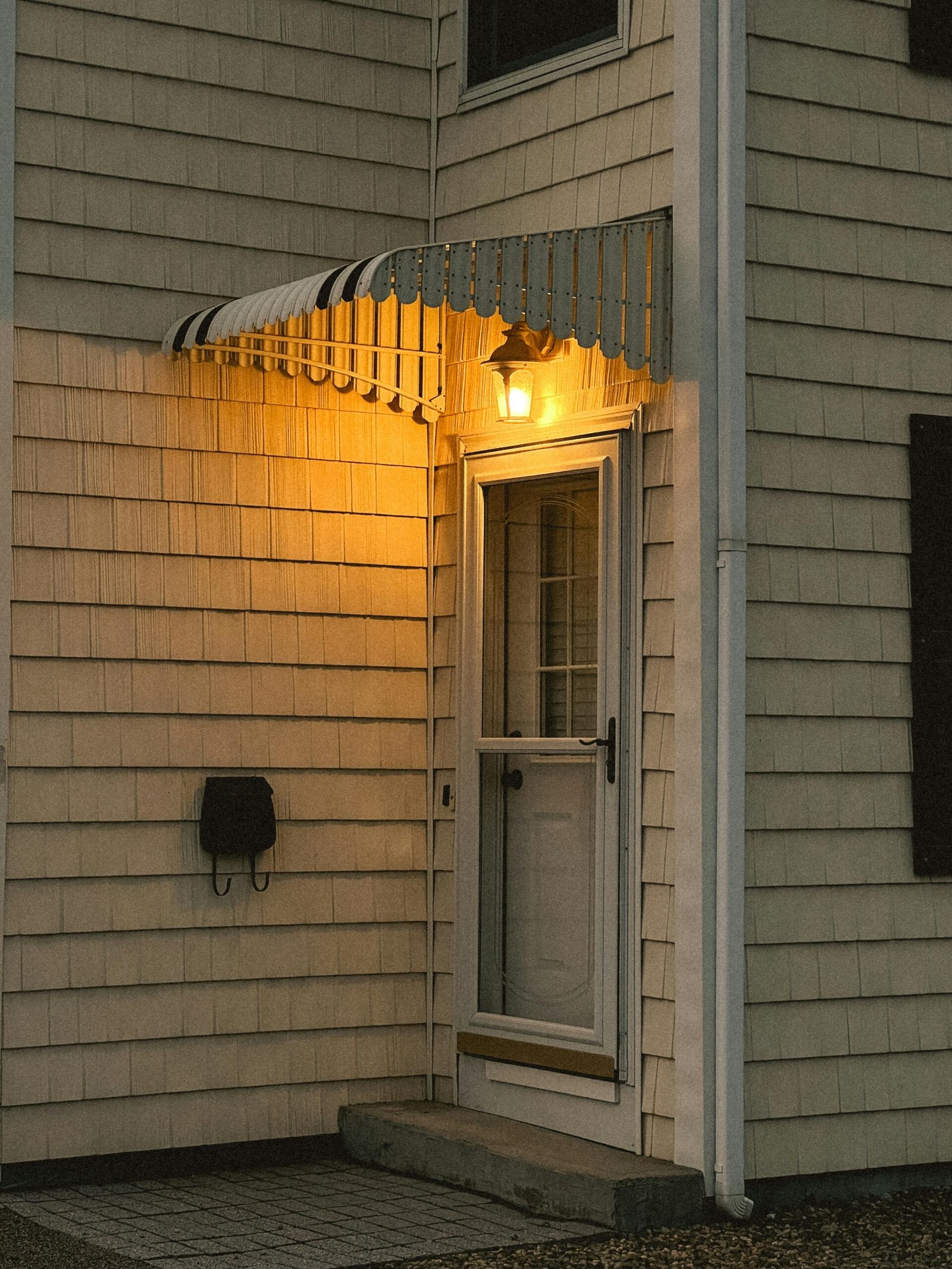
Introduction
A door overhang is one of the most practical and visually appealing additions you can make to your home. While it may seem like a simple architectural feature, a door overhang serves multiple purposes, including protecting your entryway from weather, improving curb appeal, increasing energy efficiency, and enhancing the overall value of your property.
Whether you’re building a new home, renovating an existing entrance, or simply looking for ways to upgrade your exterior, installing a door overhang can make a significant difference. From modern metal canopies to traditional wooden awnings, homeowners have countless design options available to suit their style and budget.
In this comprehensive guide, we’ll explore everything you need to know about door overhangs, including their benefits, types, materials, installation methods, design ideas, maintenance requirements, and how to choose the perfect option for your home.
What Is a Door Overhang?
A door overhang is a protective structure installed above an exterior door. It extends outward from the building to provide shelter from rain, snow, sunlight, and other environmental elements.
Door overhangs are commonly installed above:
- Front doors
- Back doors
- Patio doors
- Garage entry doors
- Side entrances
- Commercial building entrances
Depending on the design, a door overhang can be both functional and decorative.
Why Door Overhangs Are Important
Many homeowners underestimate the value of a properly designed door overhang.
Weather Protection
One of the primary functions of a door overhang is protecting your entrance from weather conditions.
Benefits include:
- Reduced rain exposure
- Protection from snow accumulation
- Reduced water damage
- Less moisture around door frames
Improved Safety
Wet steps and entryways can become slippery.
A door overhang helps keep entrance areas drier and safer for residents and visitors.
Increased Energy Efficiency
Overhangs can block direct sunlight during hot weather.
This helps:
- Reduce indoor temperatures
- Lower cooling costs
- Improve comfort levels
Enhanced Appearance
A stylish overhang can dramatically improve your home’s curb appeal.
Benefits of Installing a Door Overhang
Adding a door overhang offers several advantages.
Protects Doors and Hardware
Exterior doors are constantly exposed to harsh conditions.
An overhang helps protect:
- Paint finishes
- Wood surfaces
- Door handles
- Locks
- Decorative elements
Extends Door Lifespan
Reducing exposure to moisture and sunlight helps prolong the life of exterior doors.
Creates a Welcoming Entrance
Guests appreciate having shelter while entering your home.
Adds Architectural Interest
Overhangs can transform a plain entrance into a striking focal point.
Types of Door Overhangs
There are several popular door overhang styles available.
Traditional Awning
Awnings are among the most common door overhang options.
Features include:
- Sloped roofs
- Fabric or metal coverings
- Simple installation
Traditional awnings work well with many home styles.
Fixed Canopy
Fixed canopies offer permanent protection.
Advantages include:
- Strong construction
- Long lifespan
- Minimal maintenance
Gable Roof Overhang
This style features a peaked roof design.
Benefits include:
- Excellent water runoff
- Traditional appearance
- Increased architectural appeal
Modern Flat Roof Overhang
Flat overhangs are popular for contemporary homes.
They provide:
- Clean lines
- Modern aesthetics
- Minimalist design
Pergola-Style Overhang
Pergola-inspired structures add elegance and character.
They work particularly well with:
- Gardens
- Patios
- Craftsman homes
Popular Door Overhang Materials
Material selection impacts both appearance and durability.
Wood
Wood remains one of the most popular choices.
Advantages include:
- Natural beauty
- Customizable designs
- Traditional charm
Common wood options include:
- Cedar
- Redwood
- Pressure-treated lumber
Aluminum
Aluminum offers a lightweight and low-maintenance solution.
Benefits include:
- Rust resistance
- Modern appearance
- Long lifespan
Steel
Steel provides exceptional strength and durability.
It’s ideal for:
- Large overhangs
- Commercial applications
- Modern architecture
Polycarbonate
Polycarbonate panels are increasingly popular.
Benefits include:
- UV protection
- Lightweight construction
- Transparency
Glass
Glass overhangs create a sleek and sophisticated look.
They are commonly used in:
- Contemporary homes
- Luxury properties
- Commercial buildings
Choosing the Right Door Overhang Size
Proper sizing is critical.
Width Considerations
The overhang should extend beyond both sides of the door.
This improves protection and visual balance.
Projection Distance
Projection refers to how far the overhang extends outward.
Typical projections range from:
- 24 inches
- 36 inches
- 48 inches
depending on climate and design goals.
Height Placement
Adequate clearance ensures comfortable access while maintaining proportions.
Door Overhang Design Ideas
A well-designed overhang enhances the overall appearance of your home.
Farmhouse Style
Features often include:
- Wooden brackets
- Metal roofing
- Rustic finishes
Modern Minimalist
Modern designs emphasize:
- Clean lines
- Neutral colors
- Simple geometry
Craftsman Design
Craftsman overhangs typically feature:
- Decorative brackets
- Natural materials
- Detailed craftsmanship
Traditional Colonial
Colonial-style overhangs often include:
- Symmetrical designs
- Elegant trim work
- Classic proportions
Front Door Overhang Ideas
The front entrance creates the first impression of your home.
Popular front door overhang features include:
Decorative Columns
Columns provide both support and visual appeal.
Lighting Integration
Integrated lighting improves visibility and security.
Custom Trim
Decorative trim adds character and sophistication.
Accent Roofing
Matching roofing materials create a cohesive appearance.
Door Overhangs for Different Climates
Climate should influence your design choices.
Rainy Regions
Prioritize:
- Larger projections
- Effective drainage
- Durable materials
Snowy Areas
Choose designs capable of handling snow loads.
Hot Climates
Consider overhangs that maximize shade.
Coastal Locations
Use corrosion-resistant materials such as aluminum and stainless steel.
DIY Door Overhang Installation
Many homeowners choose to install door overhangs themselves.
Planning
Measure carefully before purchasing materials.
Material Selection
Choose materials suitable for local weather conditions.
Structural Support
Ensure proper attachment to the building structure.
Waterproofing
Proper flashing prevents water infiltration.
DIY installation works best for smaller projects with straightforward designs.
Professional Installation Benefits
Professional installers offer several advantages.
Structural Expertise
Professionals understand load requirements and building codes.
Faster Completion
Experienced contractors complete projects efficiently.
Warranty Coverage
Many installations include workmanship warranties.
Improved Safety
Professional installation reduces structural risks.
Maintenance Tips for Door Overhangs
Routine maintenance helps preserve appearance and performance.
Clean Regularly
Remove dirt, leaves, and debris.
Inspect Fasteners
Check screws, bolts, and brackets periodically.
Repaint or Refinish
Wooden structures may require periodic refinishing.
Check for Water Damage
Inspect areas where moisture may accumulate.
Common Mistakes to Avoid
Choosing an Undersized Overhang
Small overhangs provide limited protection.
Ignoring Local Weather Conditions
Climate should guide design decisions.
Poor Material Selection
Low-quality materials often lead to premature failure.
Improper Drainage
Water should flow away from doors and foundations.
Overlooking Building Codes
Always verify local regulations before installation.
Cost of Installing a Door Overhang
Costs vary depending on:
- Materials
- Design complexity
- Labor
- Size
- Location
Basic DIY projects are relatively affordable, while custom architectural designs may require larger investments.
Door Overhang Trends in Modern Home Design
Current trends include:
Black Metal Frames
Modern homeowners increasingly prefer black architectural accents.
Mixed Materials
Combining wood, metal, and glass creates visual interest.
Smart Lighting
Integrated LED systems improve functionality.
Sustainable Materials
Eco-friendly construction materials continue gaining popularity.
Minimalist Designs
Clean, simple overhangs remain highly desirable.
How a Door Overhang Increases Property Value
A well-designed entrance can positively impact resale value.
Benefits include:
- Better curb appeal
- Improved functionality
- Enhanced weather protection
- Increased buyer interest
Many real estate professionals view exterior upgrades as valuable investments.
Conclusion
A door overhang is much more than a decorative feature. It provides essential protection from rain, snow, and sunlight while enhancing safety, energy efficiency, and curb appeal. Whether you choose a traditional wooden awning, a sleek glass canopy, or a modern metal design, the right overhang can dramatically improve both the appearance and functionality of your home’s entrance.
By carefully considering materials, size, style, and climate requirements, homeowners can select a door overhang that offers long-lasting performance and visual appeal. With proper installation and regular maintenance, a quality door overhang becomes a valuable architectural feature that protects your home and creates a welcoming entrance for years to come.